
Psychosocial Rehabilitation
A holistic, person-centred approach to helping individuals with chronic mental illness reclaim meaningful, fulfilling lives in their communities.
Recovery is not about getting rid of problems. It is about seeing beyond them, building a life that has meaning and value, in spite of, and even because of, the difficulties.
— WHO, 2021People worldwide live with a mental disorder
WHO, 2022Show significant improvement with comprehensive rehabilitation
Lower rehospitalisation rates with PSR compared with medication alone
What is Psychosocial Rehabilitation?
Psychosocial Rehabilitation (PSR) is an evidence-based practice that empowers people with severe and chronic mental illnesses to develop the skills and access the supports needed to live successfully in the community.
A Whole-Person Approach
PSR goes beyond symptom management. It addresses the whole person — including social roles, relationships, employment, housing, education and sense of purpose.
Building Skills & Independence
The approach focuses on developing practical skills, strengthening existing abilities and connecting people with the support they need in everyday life.
Four Principles of PSR
Person-Centred
Goals are set by the individual, not imposed. Their values and preferences drive the plan.
Strengths-Based
Builds on existing skills, resources and resilience rather than focusing on deficits.
Hope & Optimism
Recovery is always possible. PSR instils hope as a fundamental therapeutic ingredient.
Community Integration
Full participation in society — work, relationships, housing and community life.
Six Domains of Rehabilitation
Core domains of intervention that support recovery, independence and community participation.
Psychiatric & Medical
- Medication management
- Symptom monitoring
- Relapse prevention planning
- Psychoeducation for patient and family
Social Skills
- Communication training
- Conflict resolution skills
- Peer support groups
- Building social networks
Vocational Rehabilitation
- Supported employment
- Skill building
- Vocational assessment
Independent Living
- Daily living skills
- Self-care and hygiene activities
Educational & Cognitive
- Cognitive remediation
- Academic re-integration
- Problem solving training
Wellness & Lifestyle
- Physical health promotion
- Nutrition and exercise guidance
- Mindfulness & stress management
The Rehabilitation Journey
A structured and collaborative process focused on individual goals, skills and long-term support.
Functional Assessment
Comprehensive evaluation of strengths, challenges, goals and environment.
Goal Setting
Collaborative, person-centred goal planning.
Skills Development
Teaching and practising skills needed to achieve chosen goals.
Resource Linkage
Connecting to community services, employment and supports.
Ongoing Support
Regular review, crisis planning and adjustment of goals over time.
Rehabilitation Can Support People Living With Different Mental Health Conditions
Rehabilitation is individualised and focuses on practical goals, functioning, participation and quality of life.
Evidence-Based Rehabilitation
Psychosocial rehabilitation incorporates structured approaches that support functioning, participation and recovery.
Supported Employment
Individual Placement and Support (IPS) programmes support competitive employment for people with severe mental illness.
Social Skills Training
Structured social skills training supports social functioning and quality of life in people with schizophrenia.
Family Psychoeducation
Family interventions are an important component of psychosocial rehabilitation programmes.
Community-Based Rehabilitation
Community-based approaches support recovery, social functioning and wellbeing.
Myth vs Reality
Asha Jyothi Rehabilitation Centre
Rehabilitation & Support
Asha Jyothi Rehabilitation Centre, established by Asha Hospital in 2010 at Malkaram Village, Shamshabad Mandal, supports individuals with chronic mental illness in regaining skills, independence and social functioning.
The centre offers short-stay care, respite care and long-term rehabilitation in a supportive and therapeutic environment.
A Supportive Rehabilitation Environment
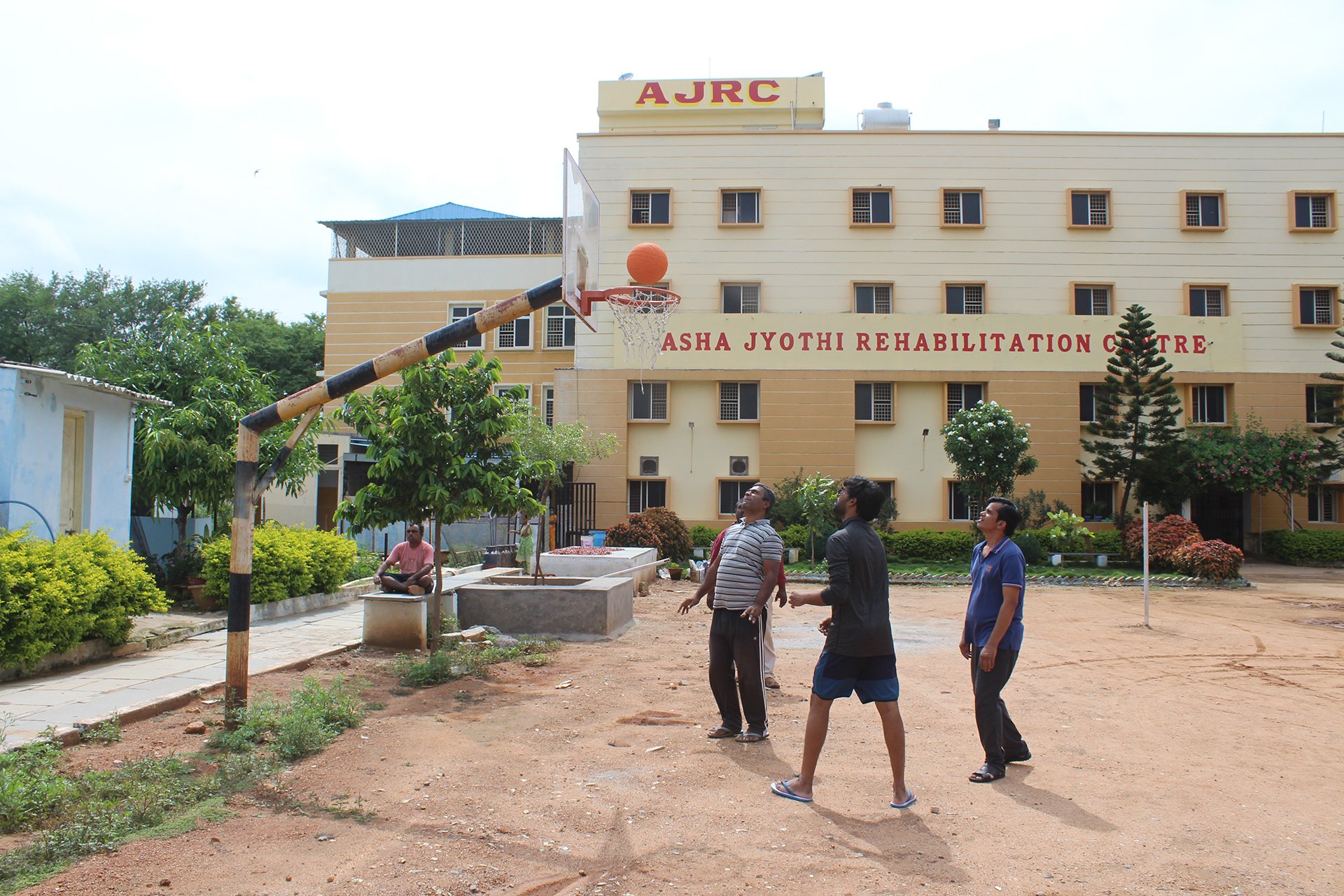
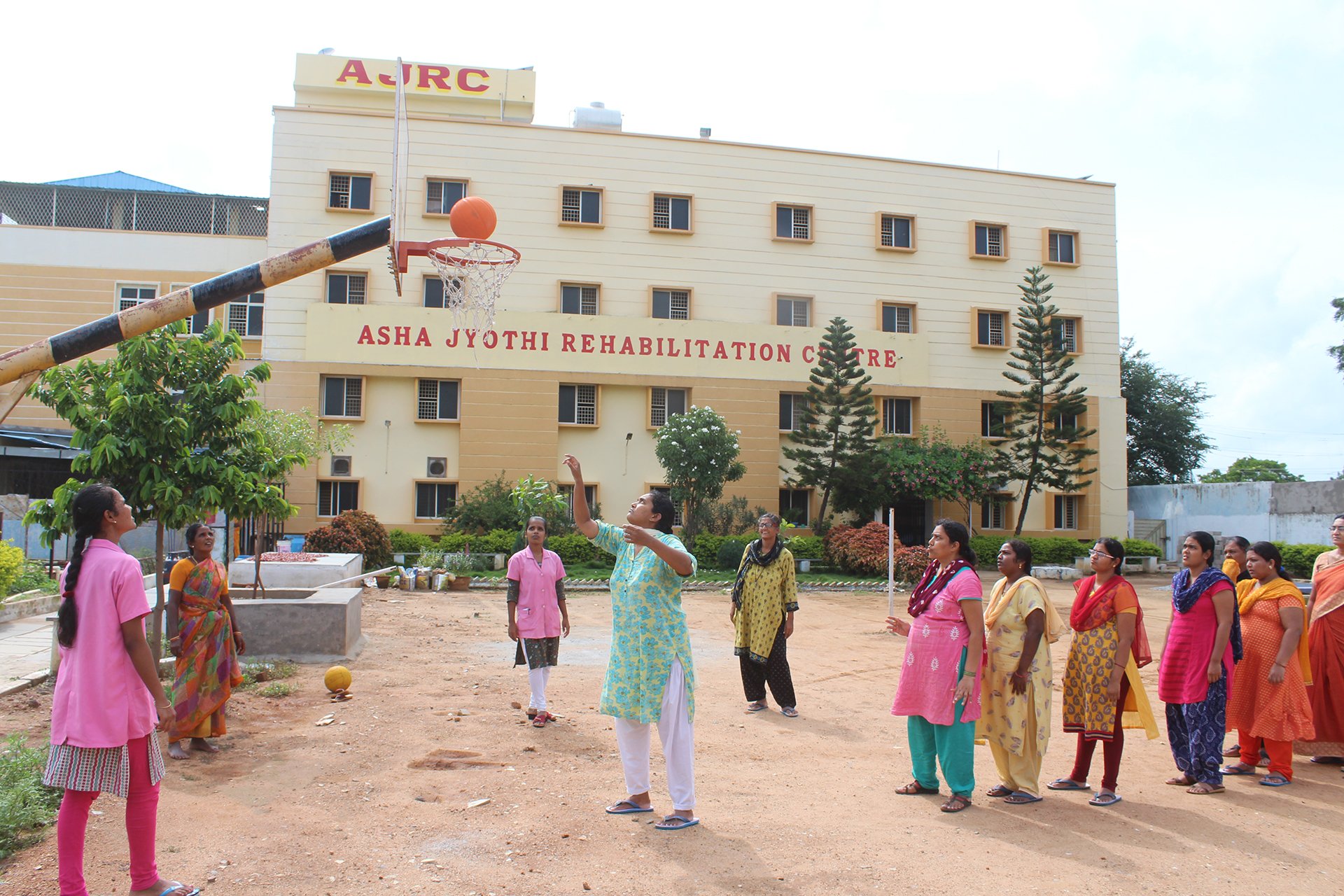
Asha Jyothi offers a serene, green campus with landscaped gardens, walking tracks, outdoor sports courts and an open-air amphitheatre.
Residents enjoy spacious accommodation, daily yoga, indoor recreation, weekly Zumba, croquet and art training, a gymnasium, a well-stocked library and occupational therapy programmes.
The centre also provides 24/7 medical care, nutritious in-house meals, safe RO drinking water and solar-powered hot water facilities.
Rehabilitation Facilities
The 5 Pillars of Recovery at AJRC
Hope
Believing a better future is possible.
Self-Determination
Making choices about one’s own life.
Connection
Relationships with family, peers & community.
Meaning
Purpose through work, creativity and spirituality.
Identity
Being more than one’s diagnosis.
Talk to Us. We’re Here to Help.
Our team of psychiatrists, psychologists and social workers are available to guide you through the rehabilitation journey.
You are not alone. Recovery is possible, and it begins with a single conversation.
Talk to Our Team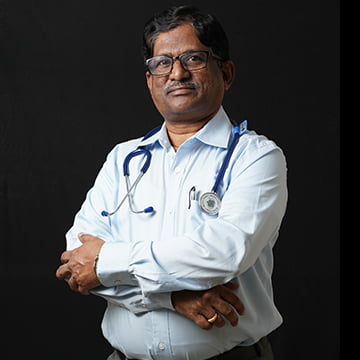
Dr. G Jagannath
Director
Consultant Psychiatrist
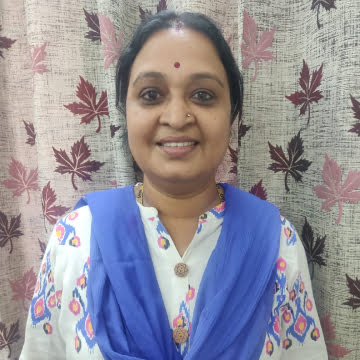
G Sai Sudha
Administrator In charge
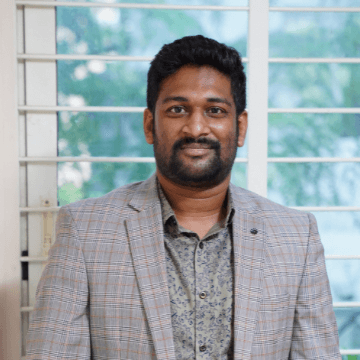
G. Ajay Krishna
Consultant Psychiatrist

Dr.DILEEP CHAKRAVARTHY
Consultant Psychiatrist